
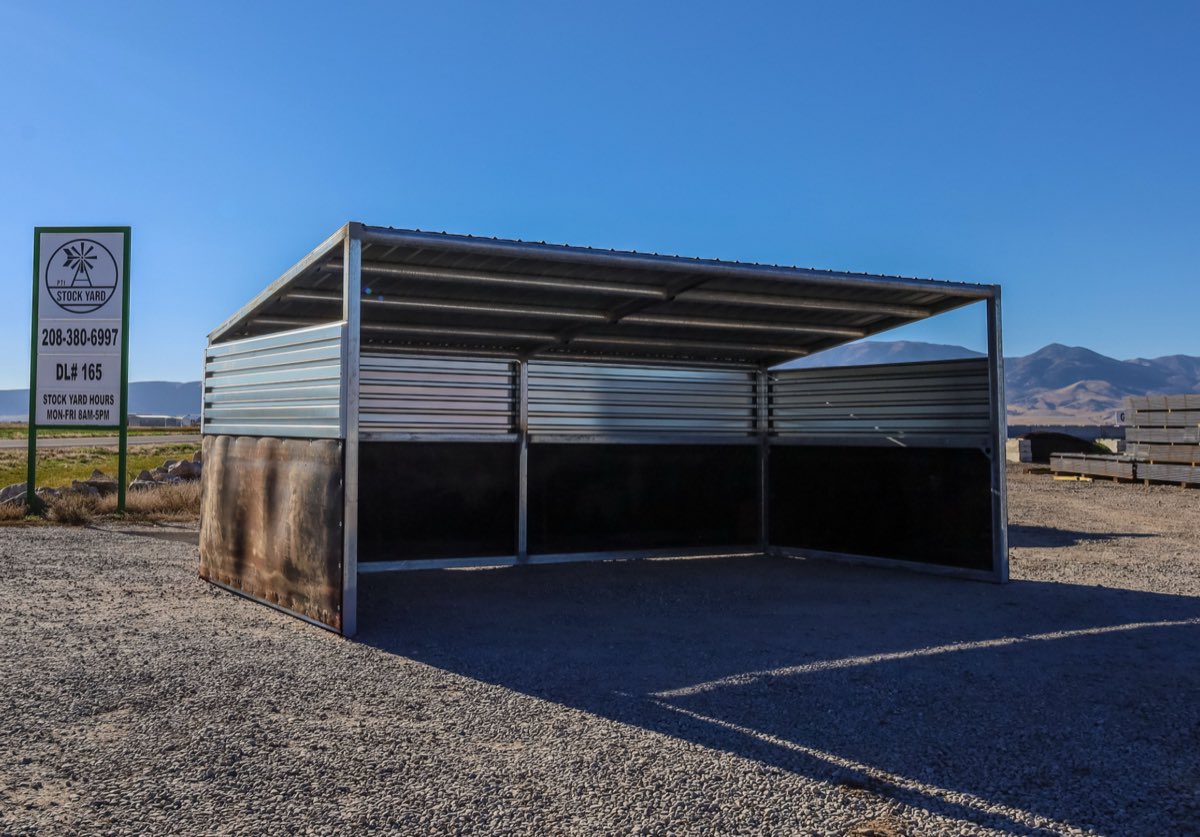
The right livestock shelter starts with the operation, not the catalog page. Animal count matters, but so do weather direction, drainage, feeding patterns, equipment access and whether the shelter may need to move later. Work through those questions first and it becomes much easier to compare shelter sizes without overbuying or creating a bottleneck.
Start with the animals and the way they use the space
Write down the species, group size and purpose of the shelter. A loafing area for cattle, a protected space for calves and a multi-use horse shelter do not function the same way. Think about the animals that need access at one time, how they enter and leave, and whether dominant animals could block the opening.
Do not treat outside dimensions as the whole answer. The usable protected area, opening width, roof height and interior obstructions all affect how comfortably animals and equipment can move. Compare those details on the product page, then discuss the intended use with a dealer before selecting a model.
Choose the site before you choose the shelter
A good shelter in the wrong place can create daily problems. Look for firm, well-drained ground that stays accessible in wet weather. Watch where snow drifts, where runoff travels and which direction the hardest weather usually arrives from. The goal is protection without trapping moisture, mud or stale air.
- Mark the prevailing wind and storm direction.
- Check drainage after rain or snowmelt, not only on a dry day.
- Leave room for a loader, truck or feeding equipment to approach.
- Keep gates and traffic lanes clear when animals gather at the shelter.
- Confirm that the site can be prepared and leveled before delivery.
Plan for access, cleaning and the next season
Picture the shelter during the hardest week of the year. Can you get bedding in and manure out? Can equipment reach the opening without driving through the herd? Will the area still work if the group grows or a pen line changes? A little extra access around the structure often matters more than a little extra floor area inside it.
If your layout changes seasonally, compare complete shelters, frames, skids and modular configurations. A permanent placement may favor one setup, while an operation that reconfigures pens may put more value on a shelter designed around movement or expansion.
Compare construction details you can actually verify
Use published specifications instead of general labels such as heavy duty. Compare the frame, dimensions, weight, stock number and included components shown for each model. Ask the dealer what arrives assembled, what must be installed on site and what site preparation or unloading equipment will be needed.
Bring a useful project brief to the dealer
A dealer can give a much better answer when the request is specific. Bring the livestock type and count, the approximate site dimensions, delivery city, gate width, equipment available for unloading and a few site photos. If you already have a PTI model or stock number in mind, include it—but leave room for the dealer to suggest a better fit.
Compare the next step
Browse PTI livestock shelters → Compare the 36 by 36 modular barn → Find a PTI dealer → Read common shelter questions →The short version
Choose the shelter only after you understand animal flow, weather exposure, drainage and equipment access. Then compare the published dimensions and configuration options against a real site plan. That order turns the dealer conversation into a practical decision instead of a guess.