
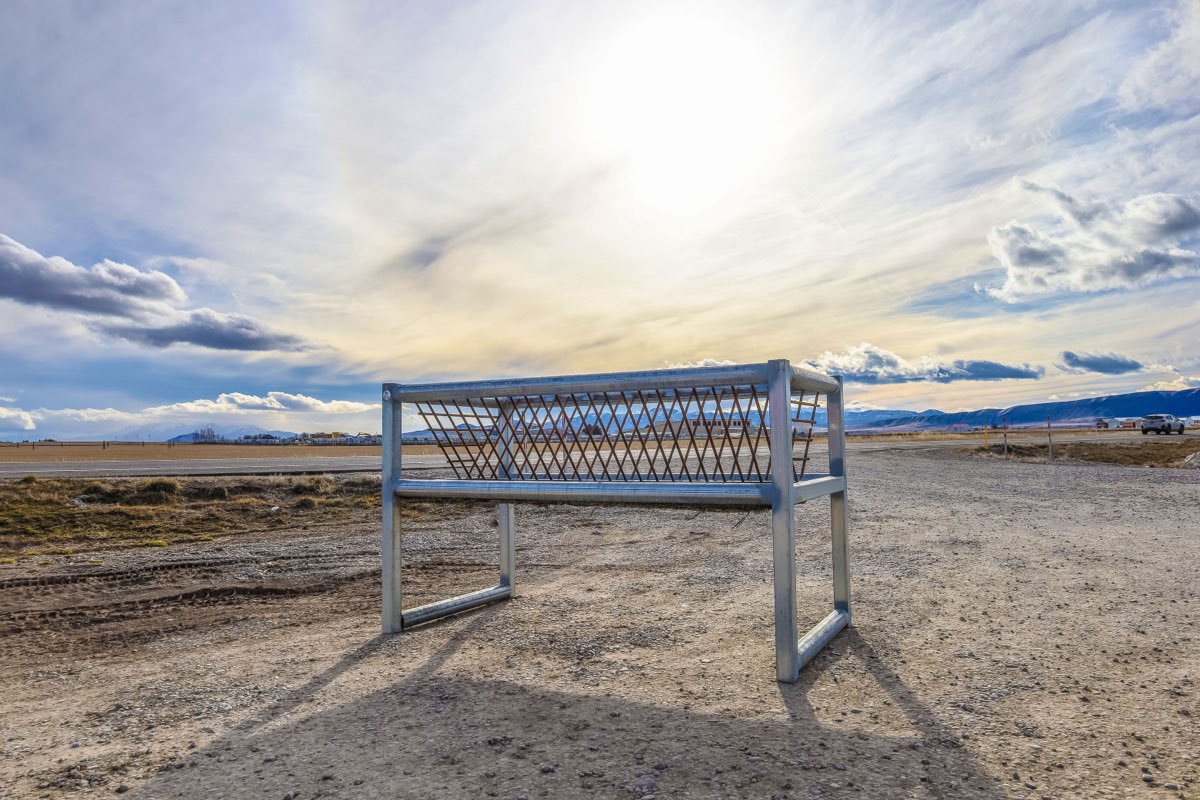
Choosing a cattle hay feeder is not just a question of round versus square. The best fit depends on herd size, animal class, bale dimensions, loading equipment, feeding surface and how often the feeder needs to move. Work through those factors before comparing models and you can focus on the designs that actually fit the operation.
Start with cattle access and feeding pressure
Estimate how many animals need to feed at one time and whether the group includes calves, mature cows or horned cattle. Opening size, rail arrangement and feeder height affect access. Avoid assuming that a feeder used successfully by one herd will automatically suit animals with a different size, age or behavior.
Watch an existing feeding area during a busy period. Note where cattle crowd, how they approach, which animals are pushed away and where loose hay accumulates. Those observations are more useful than choosing only by total capacity.
Match the feeder to the bale and the loader
Record the diameter, width and typical weight of the bales you feed. Then confirm how the bale enters the feeder and whether the tractor or loader can place it without contacting the frame. The loading path needs enough room in winter conditions, not only on a dry summer lot.
- Bale diameter, width and approximate weight
- Loader reach and approach direction
- Feeding openings for the cattle class
- Whether the feeder must move between pens or pastures
- Ground conditions at the feeding site
Look at the design features that control waste
Hay waste happens when cattle pull large mouthfuls away from the bale, drop feed outside the usable area, trample it or mix it with mud and manure. Designs that restrict access to the bale and keep fallen hay contained can improve utilization, but they also change weight, access and loading requirements.
Choose the feeding site as carefully as the feeder
A durable feeder cannot correct a site that stays deep in mud or blocks equipment. Use a firm, drained area with enough room for cattle to circulate and for machinery to load safely. If possible, rotate feeding locations or manage the surface so waste, manure and hoof traffic do not create a permanent problem.
Balance durability with portability
Heavier construction can stand up to cattle pressure and repeated loading, but additional weight changes how the feeder is moved. Decide whether the feeder will stay in one lot, move occasionally with equipment or travel frequently between groups. Compare published dimensions and weight with the machinery already on the operation.
Compare the full PTI feeder lineup
The right answer may be a round-bale feeder, a V-bar cattle feeder, a panel-style feeder, a grain feeder or a feed wagon. If the operation feeds horses, goats or calves as well as cattle, use the product intended for that animal rather than assuming one opening pattern is safe and practical for every group.
Compare feeder options
Browse all PTI livestock feeders → View the complete product catalog → Watch PTI product videos → Find a dealer to confirm fit →Take five facts to the dealer
Bring the cattle class and head count, bale dimensions, loader information, feeding-site conditions and how often the feeder must move. Those five facts give the dealer enough context to compare real options and keep the conversation focused on fit, not guesswork.